ORIGINAL REPORTING • REAL CONVERSATIONS • THE CAROLINAS
More Than Books: How Wilmington’s Cape Fear Book Festival Is Bringing Writers and Readers Together
What began with local writers looking for one another has become a free celebration of storytelling, publishing and human connection.
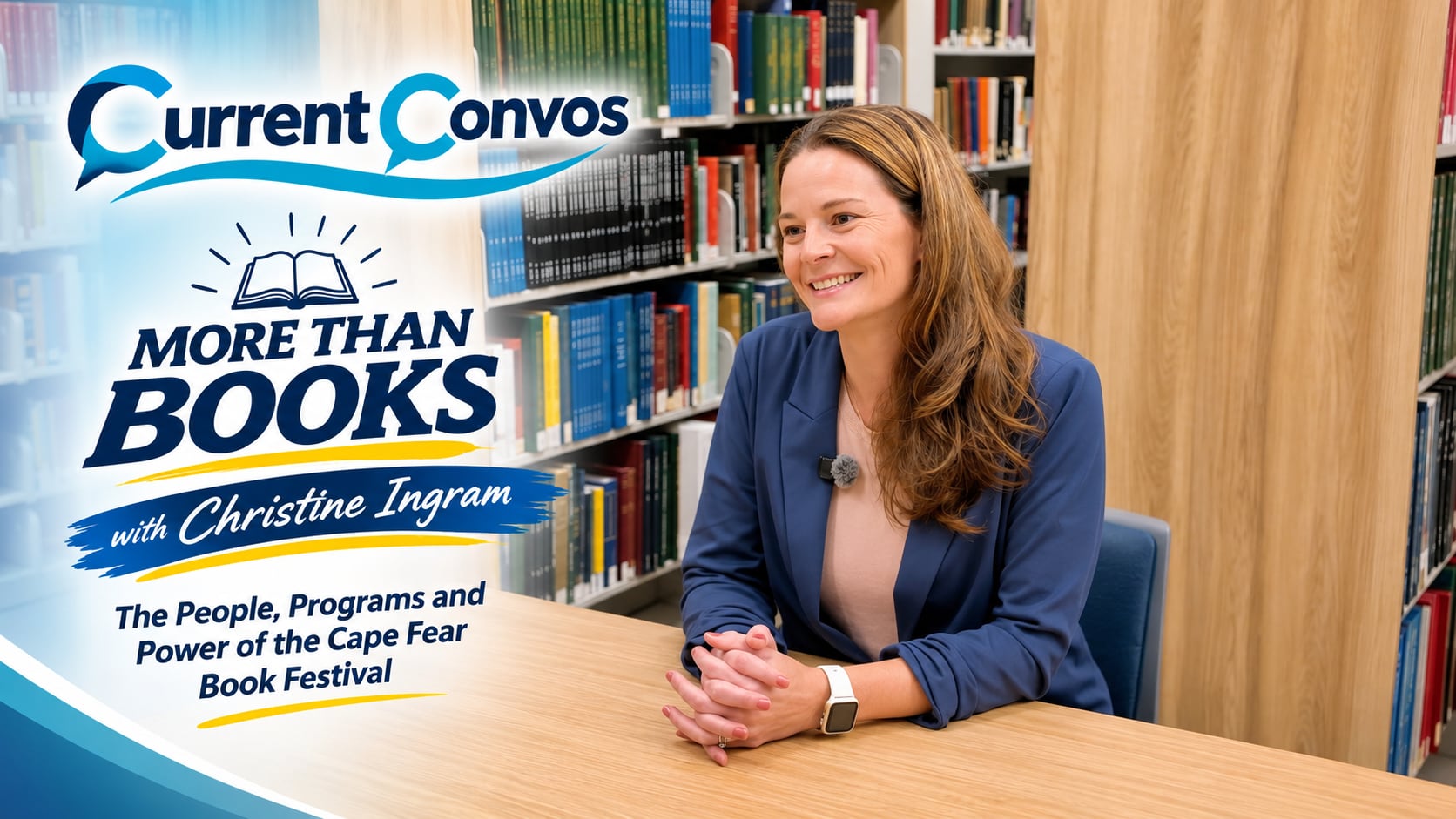
Watch Current Convos: Christine Ingram
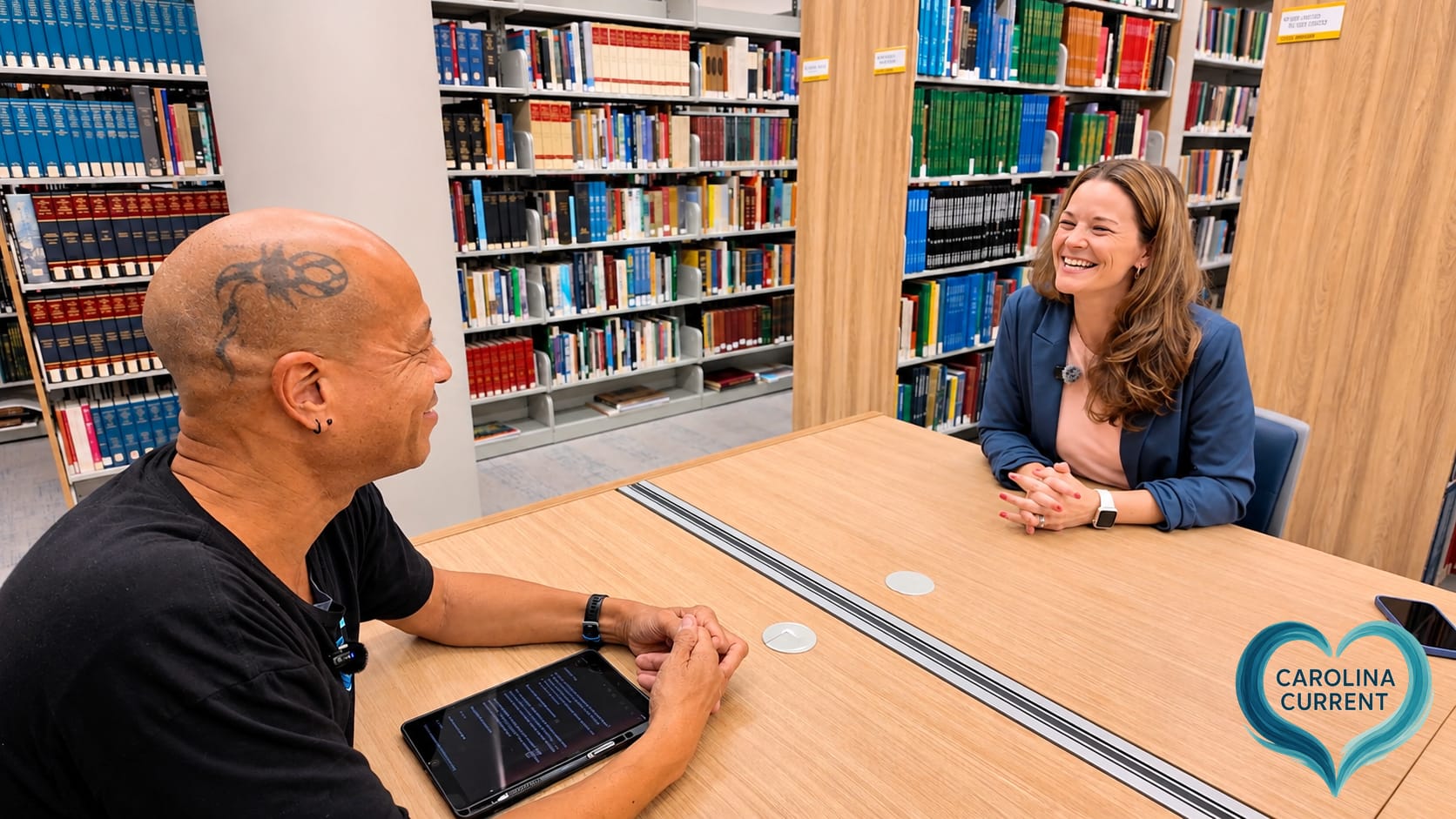
Craig Phillips talks with Christine Ingram about the Cape Fear Book Festival, free writing workshops, local authors and the connections that make the festival matter.
Watch the interview here, or open the video on YouTube.
When local writers came to the New Hanover County Public Library with copies of their books, they often brought a question with them: Where are all the other authors?
Christine Ingram heard versions of that question repeatedly while managing the library’s local author donation collection. Writers were producing books in the Cape Fear region, but many had little opportunity to meet, share experiences or discover how to reach readers. For Ingram, that gap suggested something bigger than another library programme: Wilmington needed a place where authors and their community could find one another.
That idea became the Cape Fear Book Festival, now preparing for its third year. During a nearly half-hour conversation with Carolina Current, Ingram described how the event grew, what visitors can expect November 20–22, and why its impact lasts longer than a single weekend.
It started with a missing connection
Ingram, a North Carolina native who has lived in Wilmington for about 15 years, spent much of her library career developing programmes for adults. She recently moved into a new role as library manager of teen services and outreach, but her work with local authors helped set the festival in motion.
Authors donating their books told her they had been writing locally for years without knowing other writers nearby. Ingram began discussing the problem with the authors themselves. The answer was a regional gathering that could provide two things at once: a platform for published writers to promote and sell their work, and practical education for people still learning the craft or navigating the publishing business.
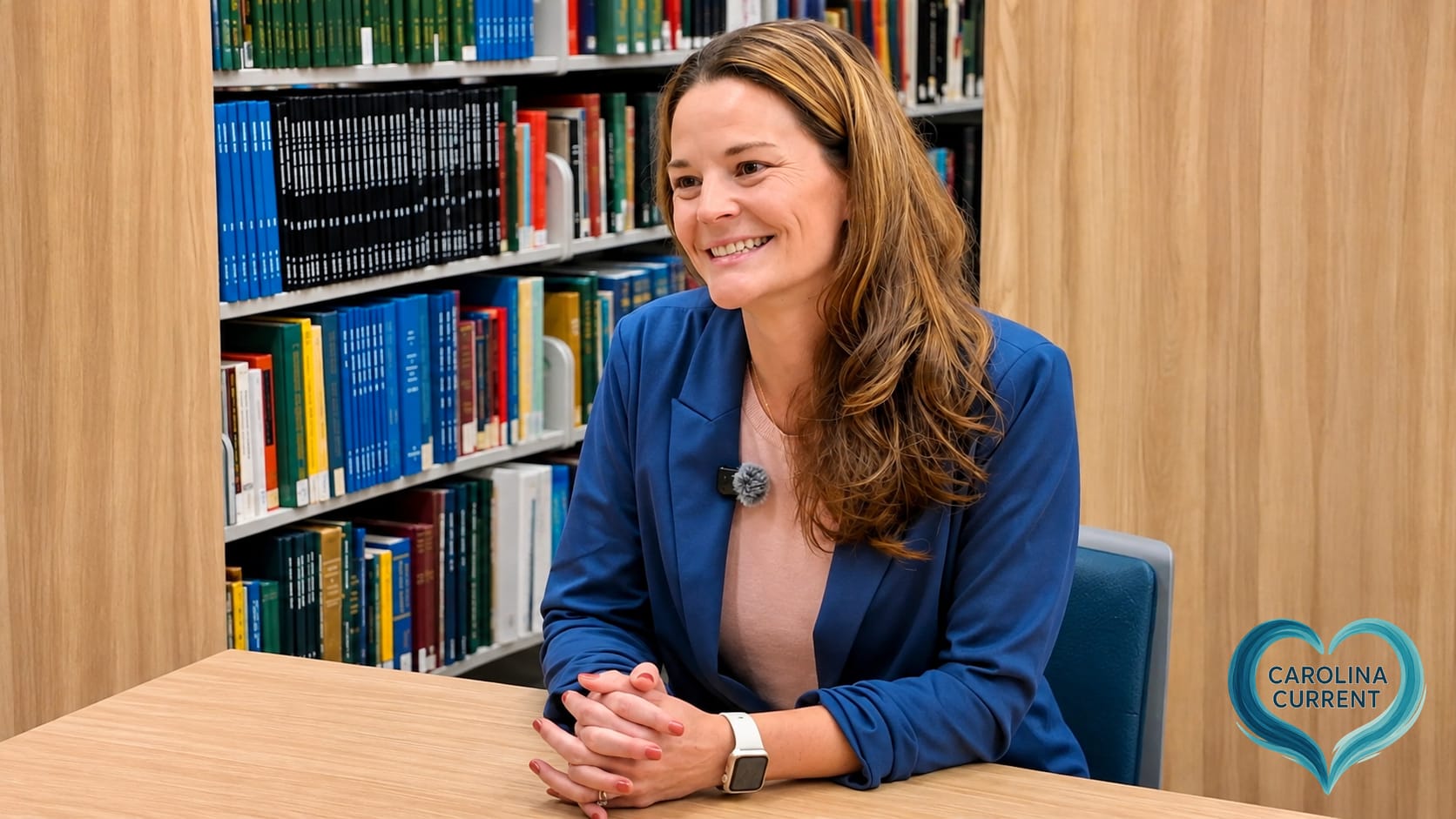
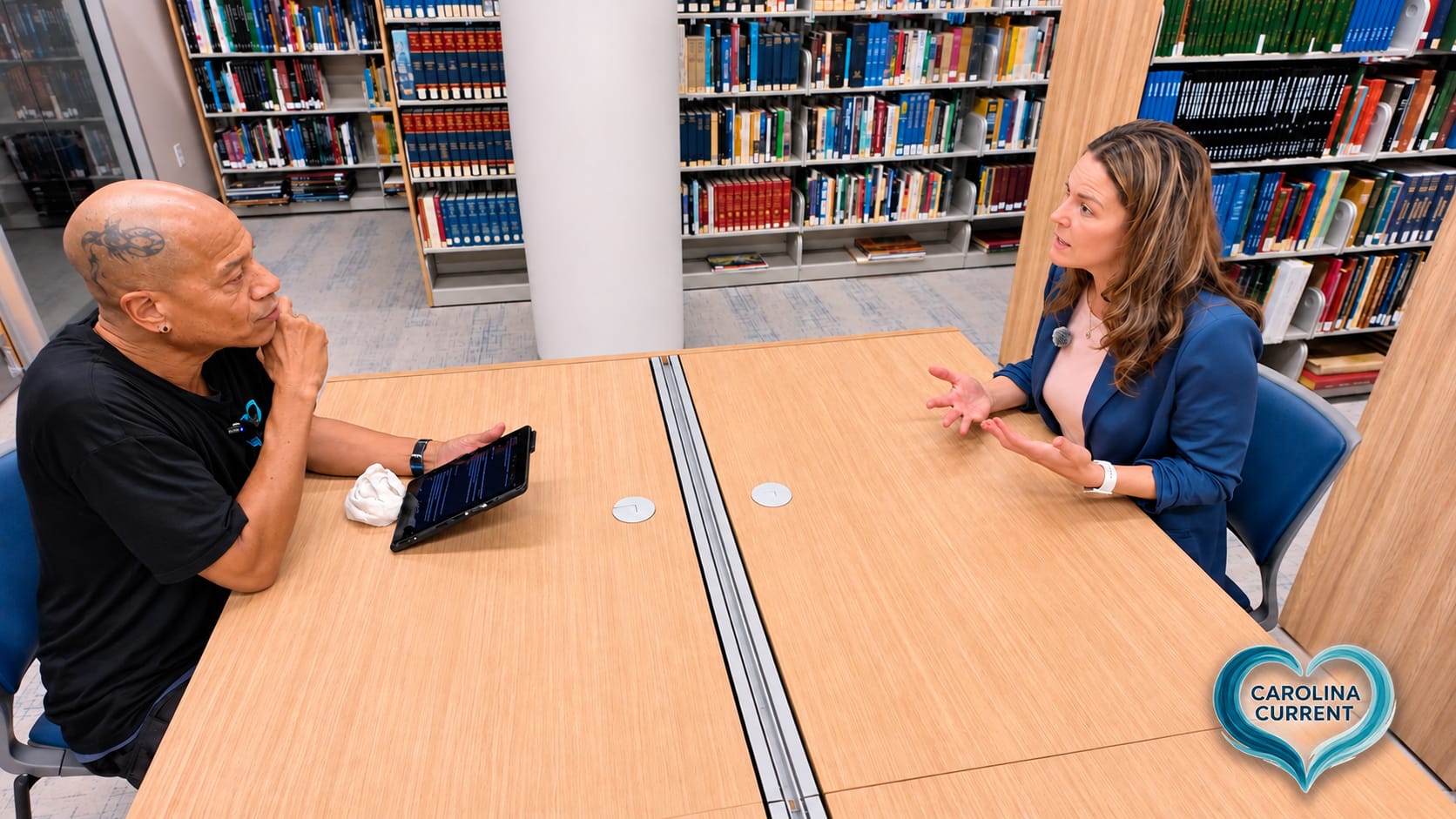
Christine Ingram explains how a missing connection among local writers inspired the festival.
Three festivals later, the connections have extended beyond the library. Ingram says writing groups formed through the first festival continue meeting independently in coffee shops, restaurants and private homes. What began as an event has, in some cases, become a network.
A festival with something for readers and writers
The festival’s central events take place at the New Hanover County Main Library in downtown Wilmington on Saturday, November 21, and Sunday, November 22. A free kickoff with North Carolina author Georgann Eubanks is scheduled for Friday, November 20, at the New Hanover County Arboretum.
Saturday is dedicated to the WriteOn! Workshops, beginning at 8:30 a.m. Sessions cover paths to publication, fiction and nonfiction, memoir, writing for children and book marketing. Author Teri M. Brown is scheduled to give the keynote on developing a practical marketing plan. An afternoon discussion led by UNCW faculty will explore the possibilities and ramifications of generative AI for writers, including creative uses and ethical considerations.
Sunday brings the Cover-to-Cover Book Sale, running from 1 to 4 p.m., with more than 60 local authors and literary vendors. Readers can browse, purchase books and meet the people behind them. For some participating writers, Ingram says, the event provides their first opportunity to sell a book in person.
The festival is free. Saturday’s workshops require advance registration, and the Sunday sale is open to the public. Ingram credits the Friends of the New Hanover County Public Library, celebrating its 50th anniversary, for making the event possible.
Writing the book is only the beginning
For authors, one challenge is creative. Another is commercial: finding the people who will actually read the work. Ingram has encountered self-published writers with compelling ideas and completed manuscripts who still need guidance on formatting, distribution and marketing.
That is why the festival includes more than craft workshops. It also explores how books are published and discovered, whether through established houses, smaller regional publishers or independent platforms. During the interview, Ingram noted that even authors with traditional publishing options may choose to self-publish for reasons that include control and royalties.
The library offers resources beyond the event itself. Ingram highlighted Pressbooks, which helps writers format manuscripts and create ebooks, and library-supported avenues for self-published authors to distribute their work and reach new readers. These services make the library a resource not just for consuming books, but for creating them.
Ingram also shared a story that captures what she hopes the festival can accomplish. A visitor attended writing workshops during the festival’s first year, became inspired to write a book, and returned the following year as an author selling that very book.
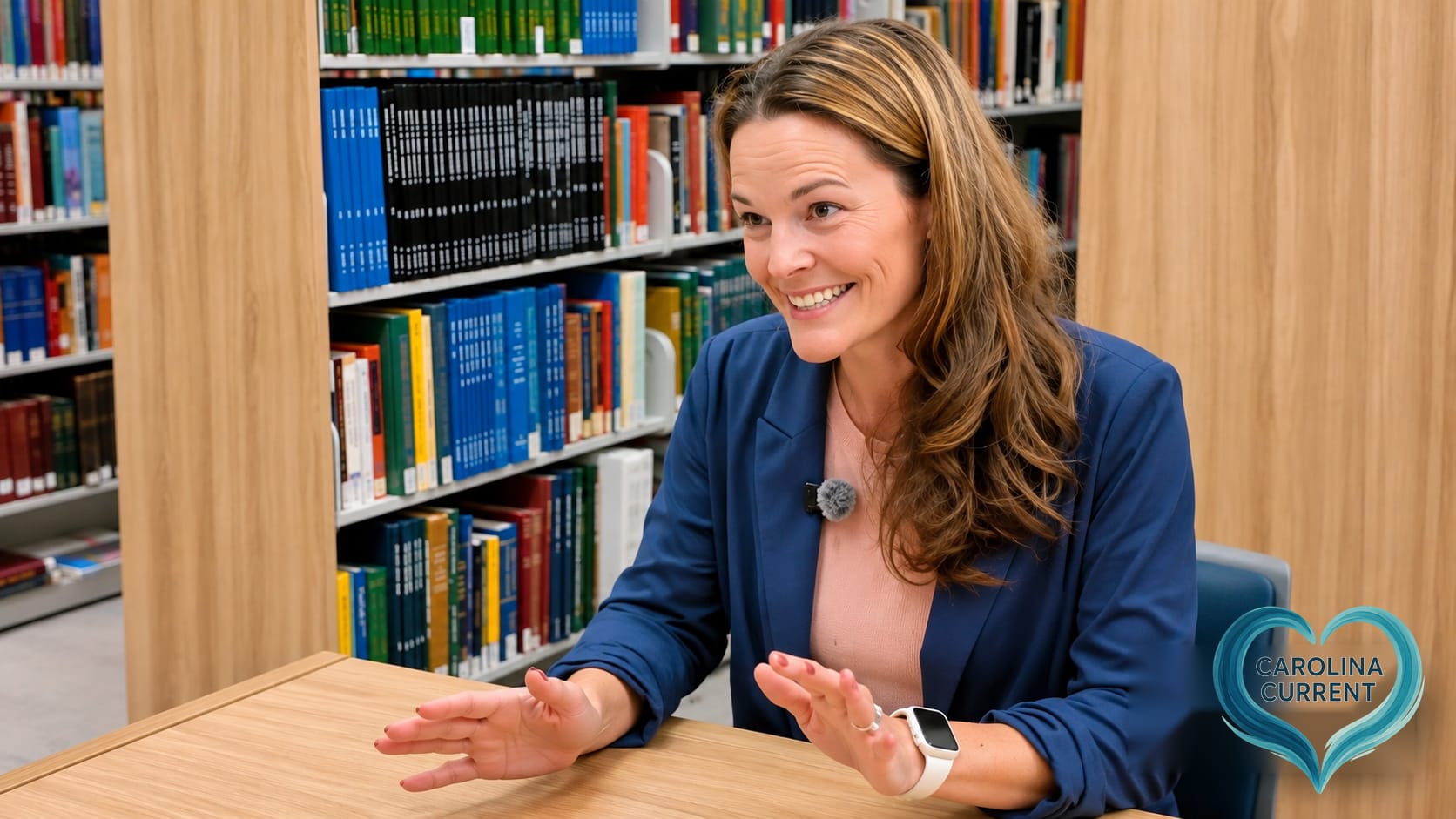
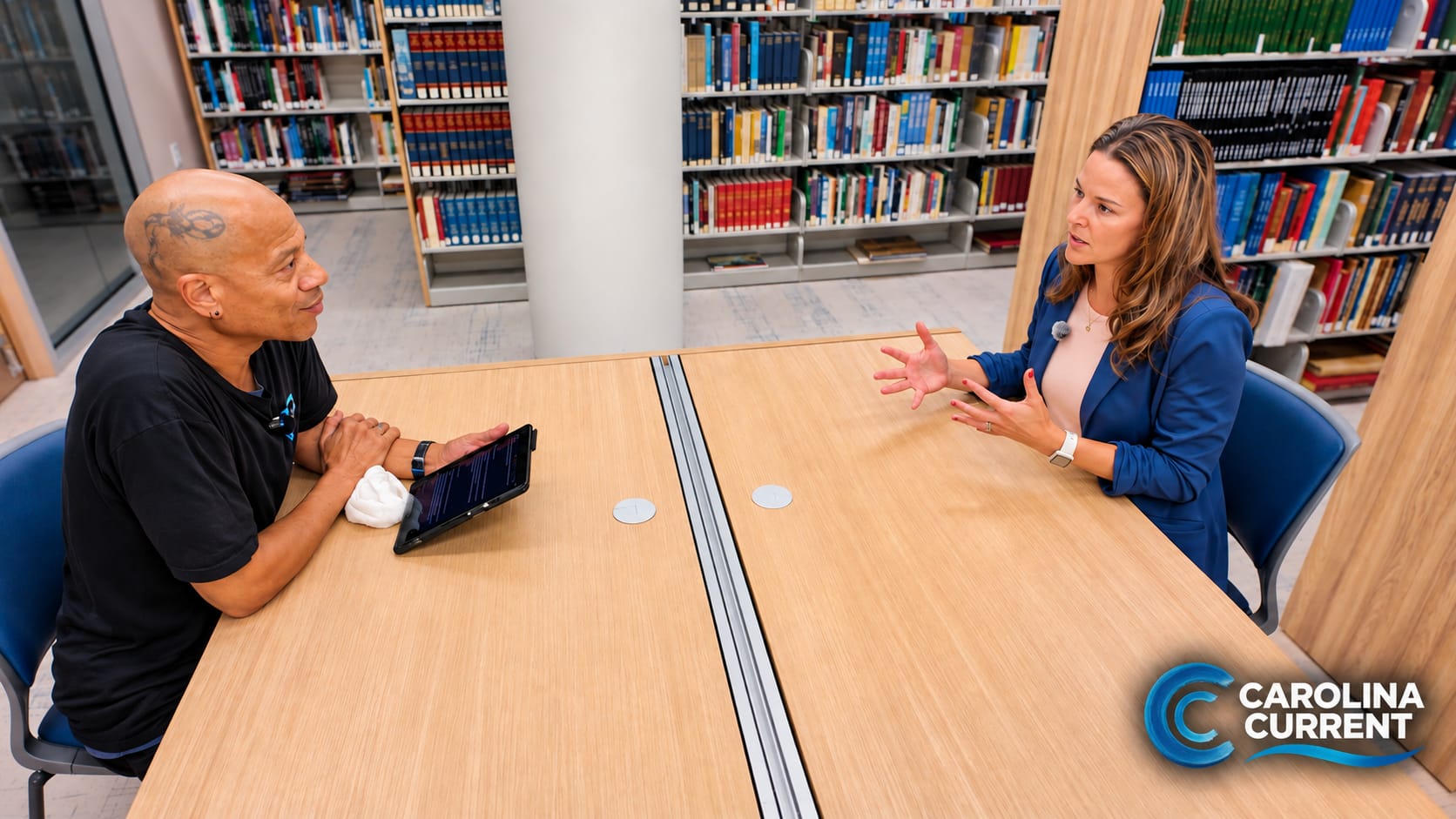
Christine shares the story of someone who attended a workshop and returned the following year as a published author.
Not everyone will follow that exact path, Ingram acknowledged. But the festival is meant to offer a place for writers at different stages, from people with a first idea to authors ready to build an audience.
The library is part of the story
For Ingram, the festival is also an expression of something libraries have always offered: a place for people to belong. She remembers living through Hurricane Florence and spending two weeks without electricity. When digital connections were unavailable, relationships with neighbours and other people in the community mattered even more.
That experience shaped her belief in face-to-face events. The value of a public library, she argued, is not limited to a collection of books. It is also a reliable place to find resources, conversation, assistance and a friendly face.
Ingram laughed about professors who once questioned her decision to pursue library school because they believed libraries were becoming obsolete. She sees the opposite: libraries adapting to serve real community needs while keeping books and stories at their heart.
The festival’s growth offers one example. Ingram told Carolina Current that attendance increased from more than 500 in the first year to 785 last year. Rather than pursuing numbers alone, organisers are focusing on making the programming useful and keeping the connections meaningful.
Where the story goes next
Ingram hopes the Cape Fear Book Festival continues for years to come, strengthening its relationships with local authors, independent bookstores and readers. She wants participants to feel that their work matters, and to leave knowing they are part of a larger creative community.
For a librarian who remembers reading under the covers with a flashlight and visiting her grandparents’ bookstore as a child, helping other people discover stories feels personal. Her own love of reading has become a way of helping other people tell theirs.
And for anyone wondering whether they belong at the festival, the invitation is uncomplicated: you don’t have to be a published author. You just have to be curious about books, stories or the people who make them.
Cape Fear Book Festival 2026
Friday, November 20: Free kickoff with author Georgann Eubanks at 2:30 p.m., New Hanover County Arboretum.
Saturday, November 21: WriteOn! Workshops at the Main Library, starting 8:30 a.m. Advance registration required.
Sunday, November 22: Cover-to-Cover Book Sale, 1–4 p.m., at the Main Library.
Location for Saturday and Sunday: New Hanover County Main Library, 230 Grace Street, Suite A, Wilmington, North Carolina.
Admission: Free. Workshop registration is required.
Festival schedule & registrationBehind the conversation
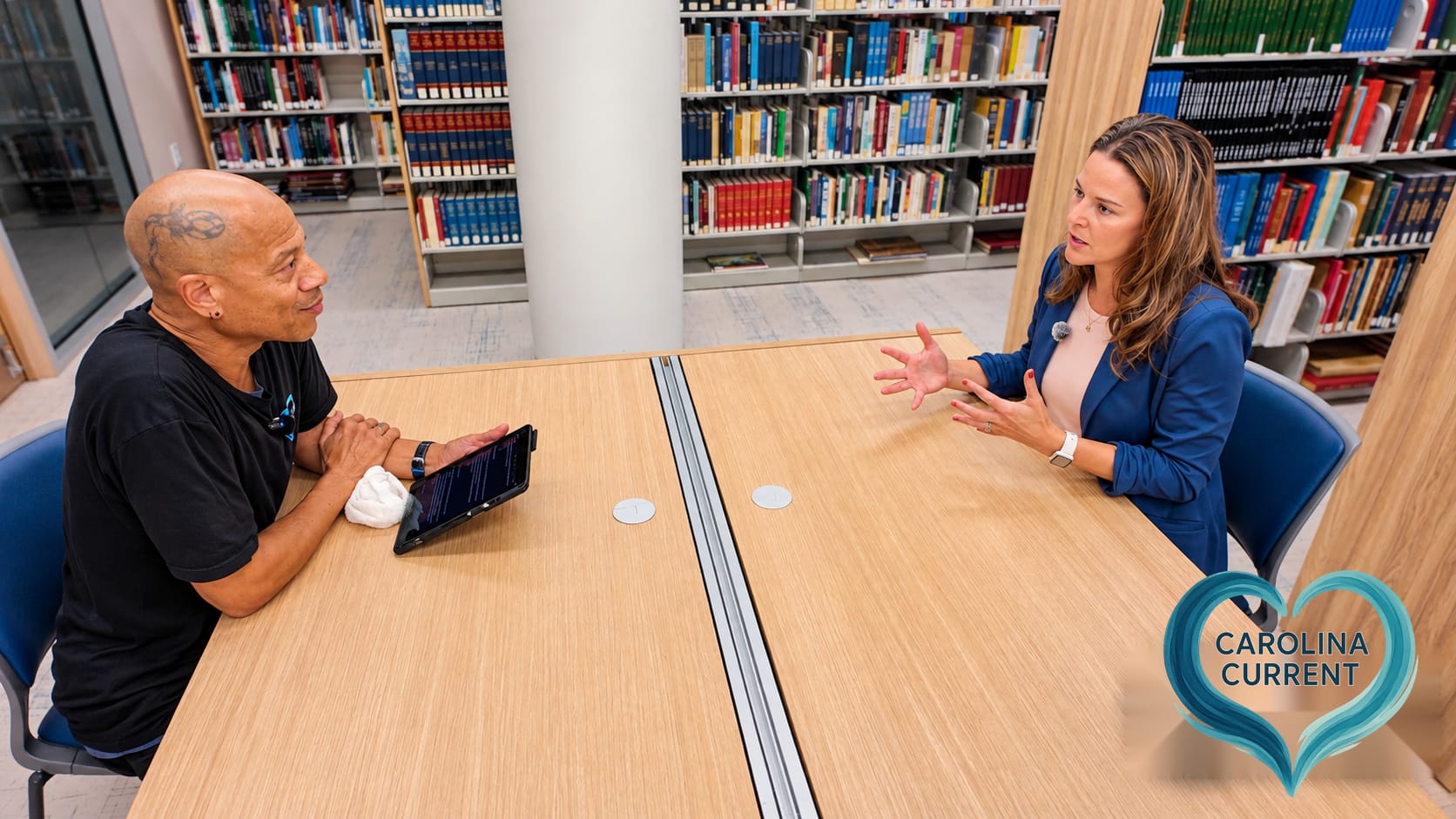
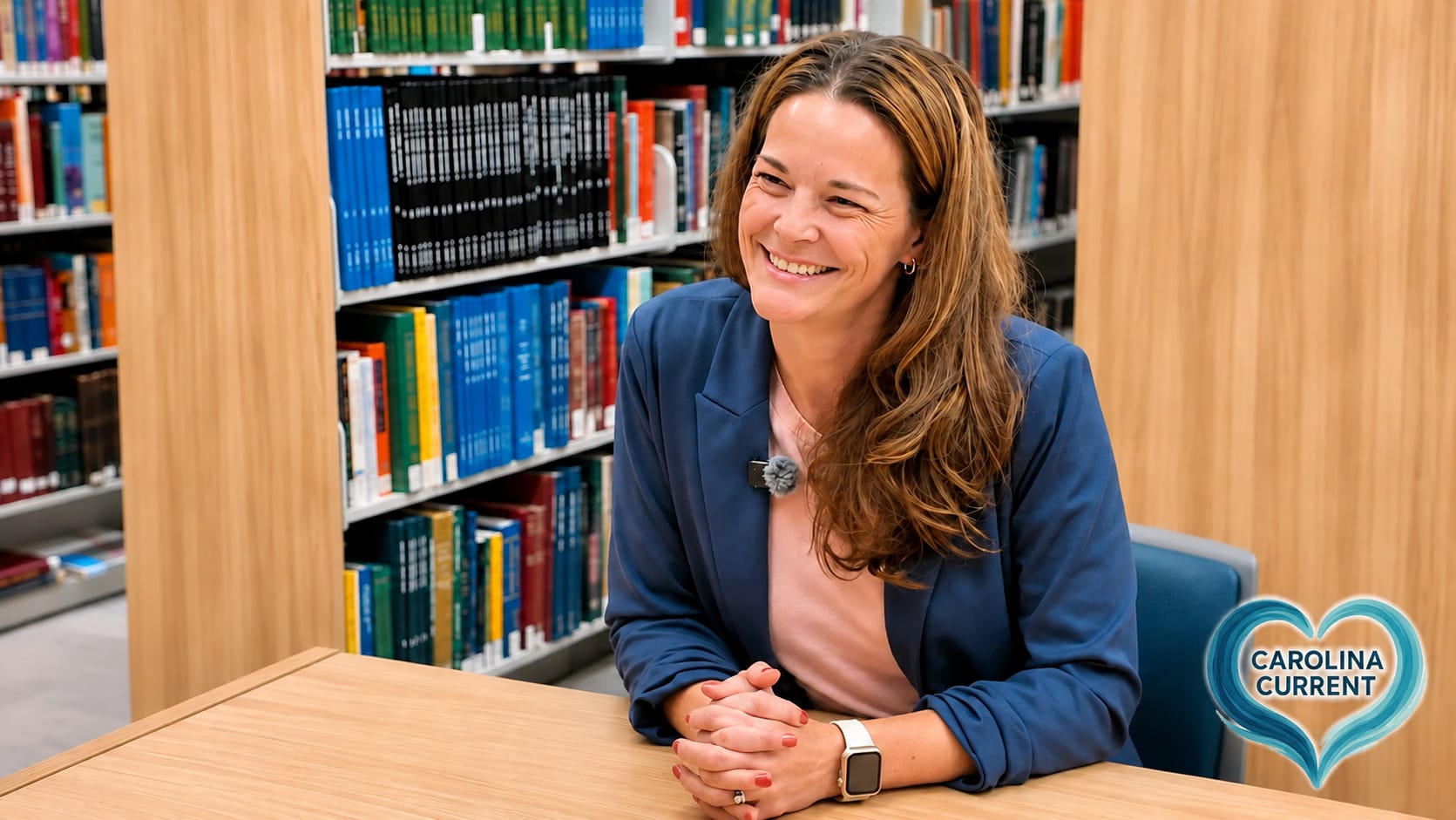
More moments from Craig Phillips’ interview with Christine Ingram at New Hanover County Public Library.